


The Grassroots Mobilisation Initiative has warned that Nigeria could face fresh security challenges if urgent steps are not taken to curb the growing spread of artificial intelligence-driven fake news, deepfakes and other forms of digital disinformation.
The group said the increasing use of sophisticated technologies to forge official documents, clone the voices of public officials and create convincing fake videos poses a serious threat to national security, social cohesion and public trust in institutions.

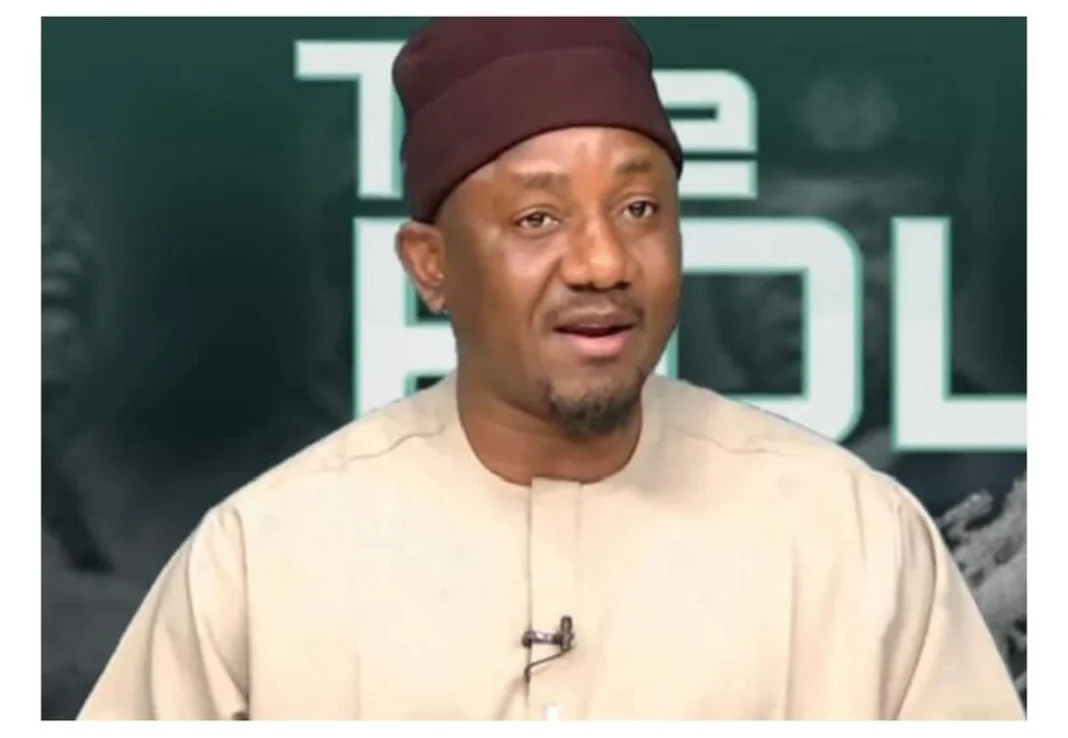
In a statement issued on Friday, GMI National Coordinator Samaila Musa, expressed concern that disinformation campaigns are becoming more coordinated and technologically advanced, making it increasingly difficult for citizens to distinguish between genuine information and fabricated content.
According to him, Nigeria is already grappling with insurgency, banditry, kidnapping and communal conflicts, and cannot afford the additional burden of misinformation capable of inciting panic, violence and distrust.
“What we are seeing today is no longer just the casual sharing of unverified rumours on WhatsApp. Mischief-makers and desperate actors are now using advanced technology, including Artificial Intelligence, to forge official documents, clone the voices of top government officials, and create deepfake videos of religious and regional leaders”, Musa said.
He warned that manipulated videos and audio recordings, often circulated in local languages, were being deliberately designed to mislead citizens, inflame tensions and provoke spontaneous violence in communities.
The organisation noted that one of the most dangerous consequences of fake news is its impact on ongoing security operations across the country.
Musa said the circulation of false military casualty figures, doctored footage of military operations and fabricated reports alleging complicity by security agencies could weaken public confidence and undermine the morale of personnel fighting insurgents, bandits and other criminal groups.
“The constant spread of fake military casualty figures, doctored videos of tactical retreats and false narratives of complicity among our troops only serves to demoralise the brave men and women on the frontline. It gives undue confidence to bandits, insurgents and criminals,” he said.
The group further warned that disinformation was increasingly being weaponised to exploit Nigeria’s ethnic and religious diversity.
According to GMI, fabricated reports of attacks, false claims targeting particular communities and misleading narratives circulated on social media platforms have the potential to trigger reprisals and deepen existing divisions.
While acknowledging the right of citizens to criticise government policies and demand accountability, the organisation stressed that deliberate fabrication of information and forgery of official communications should not be mistaken for legitimate civic engagement.
It called on Nigerians to verify sensitive information before sharing it and urged law enforcement agencies to strengthen the enforcement of existing cybercrime laws to deter individuals and groups involved in orchestrated disinformation campaigns.
The group also appealed to major social media platforms, including Meta, X and TikTok, to improve monitoring systems and swiftly remove harmful content capable of inciting violence, particularly content translated into local Nigerian languages.
Musa maintained that although economic difficulties could be addressed through policy reforms and national effort, the consequences of widespread ethnic and religious conflicts fuelled by digital falsehoods could have lasting implications for national unity.
“A damaged economy can be repaired, but a nation torn apart by ethnic and religious violence fuelled by digital lies is difficult to rebuild. We must choose patriotism over viral engagement and protect Nigeria’s security by refusing to be tools for spreading falsehood,” he said.
The warning comes amid growing global concerns over the misuse of artificial intelligence tools to create highly realistic but false content, commonly known as deepfakes.
In recent years, security experts and governments across the world have raised concerns that advances in AI technology are making it easier for malicious actors to impersonate public officials, manipulate speeches and fabricate videos capable of influencing public opinion or inciting unrest.
Nigeria has not been immune to the trend. During election periods, security incidents and major national events, several false videos, manipulated images and forged government documents have circulated widely on social media, often prompting clarifications from government agencies and fact-checking organisations.